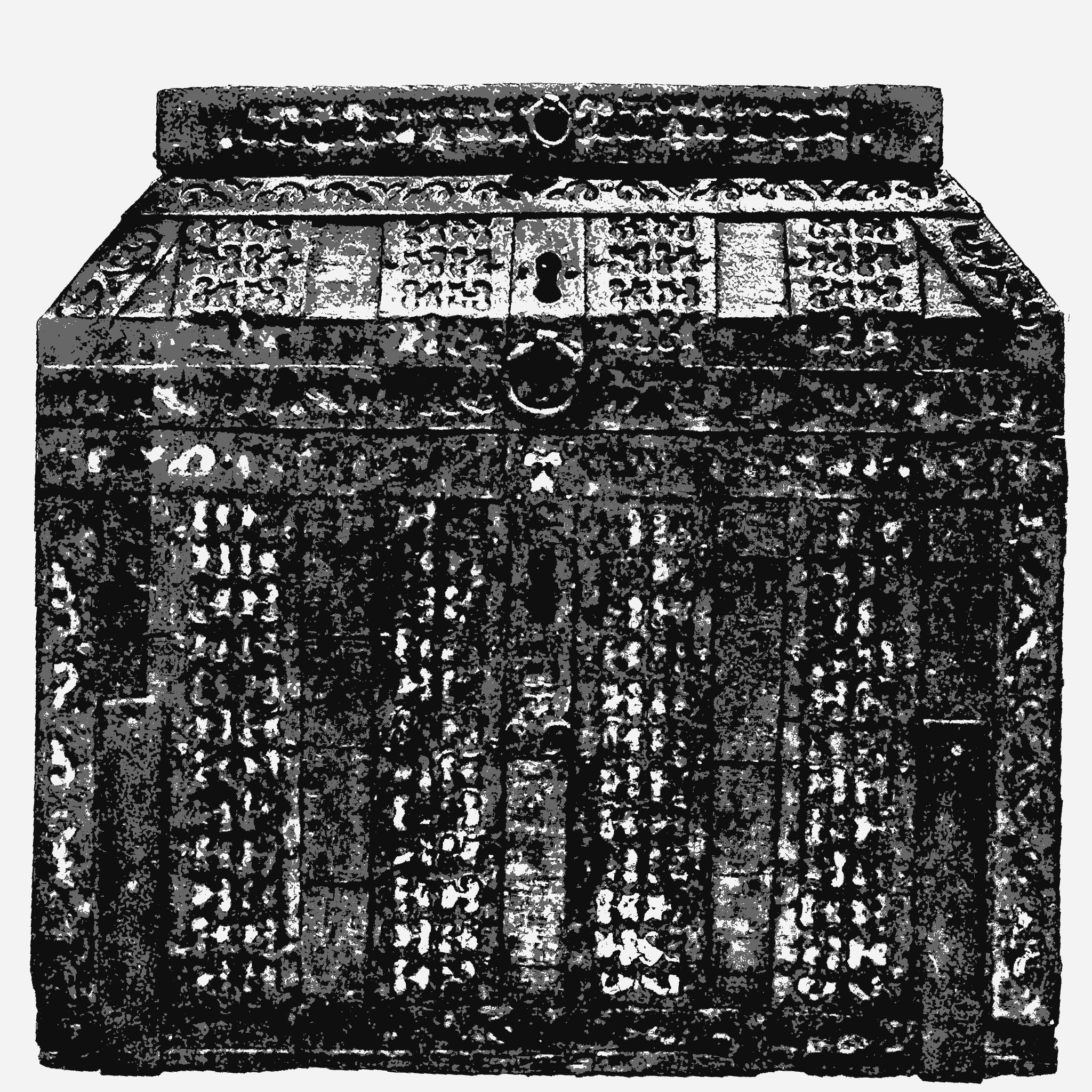
What is Teremok?
Teremok (теремок) is a Russian word rooted in Slavic architectural and folkloric tradition.
It comes from terem, an old term for the upper chambers of wooden houses in Russia—elevated spaces set apart from daily life, often private, carefully made, and richly detailed. These rooms were both protective and ornamental, places where domestic life and craftsmanship met.
As a diminutive, teremok suggests something smaller and more intimate: a contained space that holds meaning beyond its scale. Over time, the word took on a broader cultural resonance. In Russian folklore, Teremok is the title of one of the most widely known and enduring fairy tales, in which a small, humble structure becomes a place of gathering, shelter, and shared existence.
The term also appears in Russian decorative arts as a descriptive reference for certain wooden chests conceived in architectural forms—often reinforced with iron and sometimes built in tiers, like a small structure meant to protect what is kept inside. These objects were practical, durable, and quietly expressive, made to endure.